Unpacking the Allegations: Pedro Sánchez and Rumors of Cardiovascular Treatment
In the high-stakes world of national politics, the health of a nation's leader is often a subject of intense public scrutiny and speculation. Recent months have seen a swirling vortex of rumors concerning the well-being of Spanish Prime Minister Pedro Sánchez, with particular attention drawn to alleged cardiovascular issues. These claims, primarily circulated by certain media outlets, suggest that Sánchez has been undergoing discreet treatment for a significant period. However, these assertions have been met with swift and emphatic denials from Moncloa, the official residence and office of the Prime Minister. This article delves into the heart of these allegations, examining the claims, the government's response, and the broader context of public interest in a leader's health, all while maintaining a balanced perspective on the sánchez dolencia cardiovascular debate.
The Genesis of the Claims: A Deep Dive into Alleged Health Concerns
The core of the recent speculation revolves around reports indicating that Pedro Sánchez has been receiving treatment for a cardiovascular ailment for several months at Madrid's Ramón y Cajal Hospital. These reports, notably from outlets like Libertad Digital, suggest that the Prime Minister's alleged condition is severe enough to potentially lead to "possible cardiovascular events such as thrombosis or heart attack."
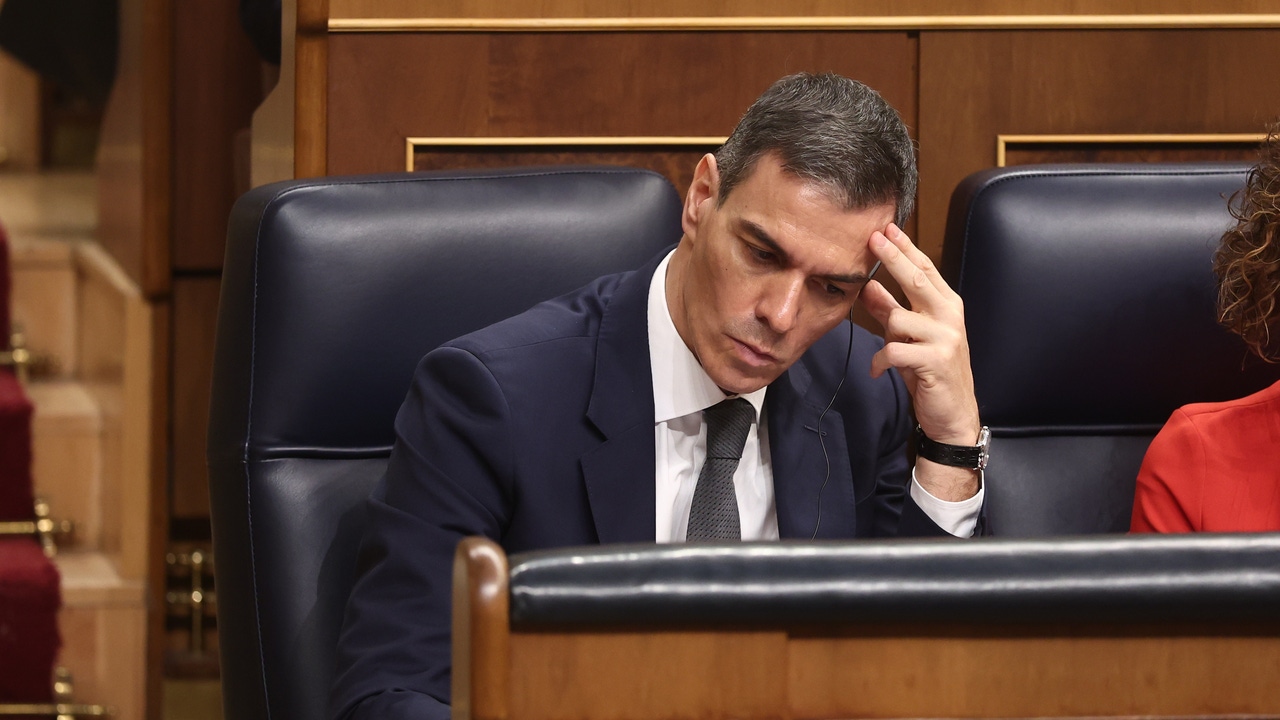
Fueling these claims are observable physical changes in Sánchez, who is 53 years old. Public appearances have reportedly shown a noticeable thinness, marked facial features, dark circles under his eyes, and a seemingly tense demeanor. Some interpretations linked these changes to chronic stress, a common byproduct of the immense pressures associated with leading a government. Others, however, connected these observations directly to the alleged cardiovascular disease. Images from July, for instance, highlighting what some described as "atrophied soft parts" and a prominent venous system in his hands during meetings with foreign dignitaries, further intensified the conjecture.
The selection of Ramón y Cajal Hospital in these allegations is not arbitrary. It is widely known as the reference hospital for Moncloa, the Congress of Deputies, and the Senate, a designation formalized through a standing agreement. An addendum modifying and extending this convention for healthcare assistance to the Prime Minister and other high-ranking officials was even signed in June 2023, lending a layer of institutional context to the hospital's mention in the rumors.
Moncloa's Resolute Denials: Official Stance and Counterarguments
In direct opposition to these persistent rumors, Moncloa has issued strong and unequivocal denials. The Secretariat of State for Communication explicitly refuted the claims to COPE, categorically stating that Pedro Sánchez does not suffer from a cardiovascular ailment and is not receiving any related treatment. The government's stance is that these reports simply "do not adjust to reality."
The official narrative emphasizes the Prime Minister's consistent and demanding work schedule as evidence against any serious health issues. For instance, on a recent Tuesday when these rumors were particularly rife, Sánchez presided over the Council of Ministers meeting at 9:30 AM and subsequently participated telematically in a meeting of the Coalition of Volunteers for Ukraine at 12:00 PM. These engagements, according to Moncloa, reflect a normal, active, and uninterrupted work rhythm, directly contradicting any notion of a debilitating illness.
The government views these allegations as an attempt to "stop the rumors" and insists there is no active medical treatment for any heart-related condition. The timing of these rumors, surfacing during a week of "notable political activity," also suggests a strategic dimension to the government's efforts to dismiss them as unsubstantiated gossip, potentially aimed at distracting from policy or political developments. This ongoing dynamic between public speculation and official denial highlights the complexities of managing a leader's image and public perception, forming a crucial part of the sánchez health debate.
Navigating Public Interest and Privacy: The Leader's Health Dilemma
The health of political leaders often walks a tightrope between public interest and personal privacy. While citizens have a legitimate interest in knowing that their leaders are fit to govern, unchecked speculation can devolve into rumor-mongering and misinformation. In the case of Pedro Sánchez, the visible physical changes observed by the public became fertile ground for theories, some of which quickly escalated into claims of a serious, secret illness.
The role of official communication in such scenarios is critical. Moncloa's prompt and firm denials are an attempt to control the narrative, reassure the public, and prevent speculation from undermining confidence in the Prime Minister's capacity to lead. However, the very act of denial can sometimes inadvertently lend more attention to the original rumor, creating a cycle where denial is met with further questioning.
Maintaining Health in High-Pressure Roles
Regardless of the specifics of any individual's health, the demands of leadership roles are universally recognized as immensely stressful. Leaders often face relentless schedules, intense scrutiny, and high-stakes decision-making, all of which can take a toll on physical and mental well-being. Regular health check-ups, stress management techniques, and a balanced lifestyle are not just beneficial but often essential for individuals in such demanding positions. While specific details about any leader's health are private unless they choose to disclose them, promoting general wellness and resilience among those in public service is a universally valuable endeavor. For instance, practices like mindfulness, consistent physical activity, and ensuring adequate rest are known to mitigate the effects of chronic stress, regardless of one's professional context.
Conclusion: Separating Fact from Conjecture
The allegations surrounding Pedro Sánchez and an alleged sánchez dolencia cardiovascular illustrate the challenges of information dissemination and public perception in modern politics. While certain media outlets have published reports suggesting the Prime Minister is undergoing secret treatment at Ramón y Cajal Hospital for a heart condition, Moncloa has consistently and emphatically denied these claims. The government points to Sánchez's unwavering public schedule and active engagement in official duties as clear evidence that such rumors are unfounded. Ultimately, in the absence of official medical disclosures from the Prime Minister's office, and in light of Moncloa's firm denials, the claims remain unsubstantiated allegations. The discourse serves as a reminder of the public's inherent curiosity about its leaders' well-being and the critical importance of reliable, verified information in an age of constant media scrutiny.