Moncloa Firmly Denies Pedro Sánchez Cardiovascular Illness Amid Intense Media Scrutiny
In a week marked by heightened political activity and fervent public discourse, the Spanish government, through Moncloa, has issued a categorical denial regarding persistent reports suggesting that President Pedro Sánchez is suffering from a significant cardiovascular ailment. These reports, which quickly gained traction across various media outlets, claimed that the 53-year-old leader had been receiving secret treatment for a heart condition for several months at the Hospital Ramón y Cajal in Madrid. The official rebuttal from Moncloa aims to quell the growing speculation surrounding the health of the Head of the Executive, specifically rejecting any notion of a sánchez dolencia cardiovascular.
The controversy underscores the intense scrutiny faced by public figures, where even subtle changes in appearance can spark widespread conjecture, particularly in the absence of immediate official statements. While some reports attributed the observed physical changes in President Sánchez to the immense stress of his high-pressure role, the emergence of claims regarding a specific cardiovascular condition has elevated the discussion to a new level, necessitating a swift and decisive response from the government.
The Genesis of Speculation: Allegations of a Secret Ailment
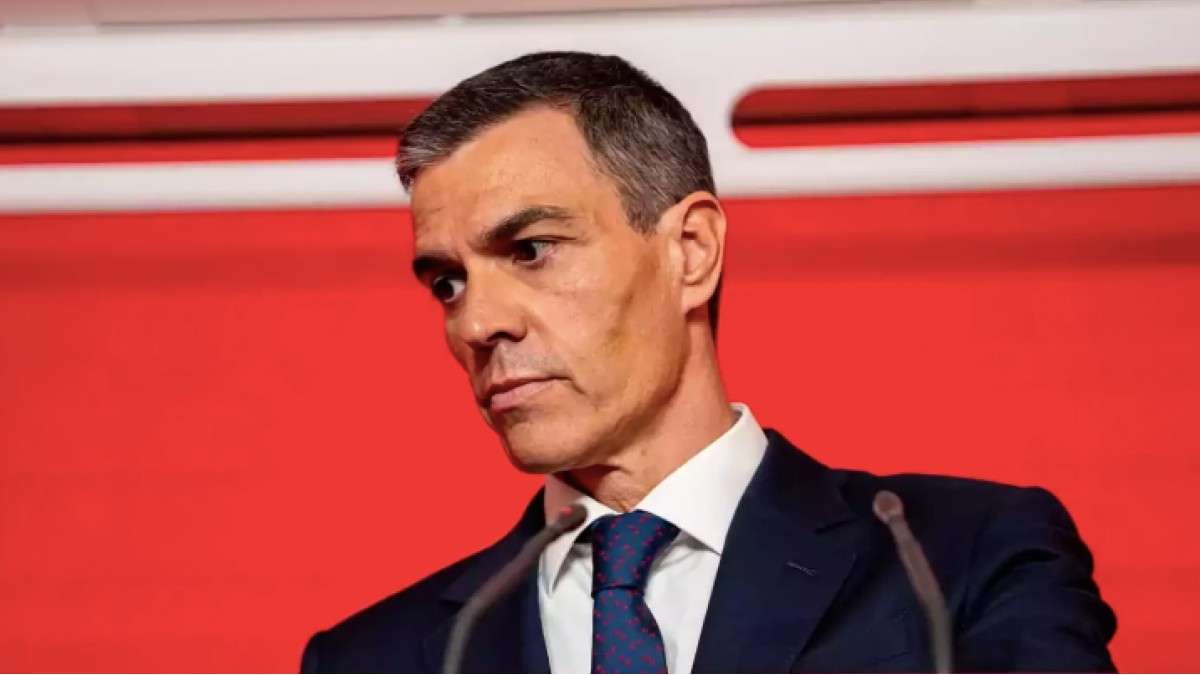
The recent wave of concern surrounding Pedro Sánchez's health did not emerge in a vacuum. For months, public observers and media commentators have noted a noticeable change in the President's physical appearance. His increased thinness, coupled with a visibly more drawn expression, dark circles under his eyes, and a tense demeanor during public appearances, had already become subjects of discussion. Some earlier reports had linked these changes to the chronic stress and immense pressure inherent in leading a nation, a common explanation for the physical toll on many world leaders.
Unverified Reports Detail an Alleged Cardiovascular Condition
However, the narrative shifted dramatically with reports from specific media outlets, most notably Libertad Digital, which claimed to possess highly reliable sources asserting that Pedro Sánchez was undergoing treatment for a sánchez dolencia cardiovascular. These reports suggested that the President had been secretly receiving medical attention at the Hospital Ramón y Cajal for several months. The alleged condition, according to these sources, was not minor, with some even speculating about the potential for serious cardiovascular events such as thrombosis or a heart attack. This information quickly circulated, adding a layer of gravity to the existing observations about his physical state.
Further fueling these specific claims were detailed observations, such as those made in July, regarding images of Sánchez's hands. These images reportedly showed "soft tissue atrophy" and unusually prominent veins during meetings with international leaders, including Gordana Silianovska-Davkova of North Macedonia and Xiomara Castro of Honduras. Such minute physical details, when presented in the context of alleged health issues, contribute significantly to public conjecture.
The Ramón y Cajal Connection: A Point of Contention
A significant aspect of these unverified reports was the naming of Hospital Ramón y Cajal as the facility where the alleged treatment for the sánchez dolencia cardiovascular was taking place. This detail held particular weight because Ramón y Cajal is, by official agreement, the reference hospital for Moncloa, the Congress of Deputies, and the Senate. A modification and extension to this healthcare assistance agreement for the President and other high dignitaries was even signed in June 2023, building upon an initial accord from August 2018. The existence of such a formal arrangement between Moncloa and the hospital lent a veneer of plausibility to the claims, even if the specific nature of any treatment remained unconfirmed by official channels. For more on these allegations, readers can refer to Pedro Sánchez: Alleged Cardiovascular Treatment at Ramón y Cajal.
Moncloa's Unequivocal Rebuttal and Counter-Narrative
In response to the escalating rumors and specific allegations, Moncloa acted swiftly to dismiss the reports. The Secretary of State for Communication issued a clear and firm denial, directly refuting any suggestion that President Pedro Sánchez was suffering from a cardiovascular ailment or receiving treatment for such a condition. This official statement was designed to halt the spread of what the government views as unfounded speculation and misinformation.
Official Rejection of Medical Treatment Claims
The government's denial was comprehensive, explicitly stating that the information published did not align with reality. Moncloa underscored that President Sánchez does not have any form of sánchez dolencia cardiovascular and categorically rejected the notion of any active, heart-related medical treatment, as had been asserted in the various publications. This direct refutation aimed to address the core of the allegations head-on, leaving little room for ambiguity in the official stance.
The timing of these rumors, coinciding with a week of significant political engagements, further highlighted the urgency of Moncloa's response. In the charged political atmosphere, unsubstantiated health claims about a national leader can quickly become a distraction, potentially impacting public confidence and political stability.
A Leader's Agenda as a Testament to Health
To bolster its denial, Moncloa strategically highlighted President Sánchez's active and demanding public agenda. On the very day the denials were issued, Sánchez was scheduled to preside over the Council of Ministers meeting at 09:30 AM in the Moncloa Complex and subsequently participate virtually in a meeting of the Coalition of Volunteers for Ukraine at 12:00 PM. These engagements, according to the government, represent a normal, vigorous work rhythm that directly contradicts any speculation about a debilitating heart condition affecting his daily performance and capacity to govern.
- 09:30 h: Presiding over the Council of Ministers meeting at the Moncloa Complex.
- 12:00 h: Participating via teleconference in the meeting of the Coalition of Voluntaries for Ukraine.
Such a schedule is characteristic of a head of government, suggesting full functional capacity and active involvement in national and international affairs. This strategic showcasing of his routine activities serves as a powerful visual and factual counter-argument to the health rumors. For a deeper dive into the conflicting narratives, see Sánchez Health Debate: Moncloa vs. Cardiovascular Ailment Claims.
Navigating Health Rumors in the Public Sphere: Analysis and Insights
The episode surrounding President Sánchez's alleged sánchez dolencia cardiovascular provides a pertinent case study in the broader challenges of public life for political leaders. The interplay between public observation, media reporting, and official government responses is a delicate balance, often fraught with tension.
Transparency vs. Privacy: A Leader's Dilemma
For public figures, especially heads of state, the line between personal privacy and public transparency regarding health matters is consistently blurred. While citizens have a legitimate interest in the health of their leaders—given its potential impact on national governance—leaders also retain fundamental rights to privacy. This dynamic often leads to intense media scrutiny and the rapid proliferation of rumors, particularly when official information is scarce or perceived as insufficient.
Tips for Public Figures and Governments:
- Proactive Communication: When legitimate health concerns arise, issuing clear, concise, and timely official statements can prevent speculation from spiraling out of control.
- Consistency: Maintaining a consistent message across all official channels reinforces credibility.
- Focus on Performance: Demonstrating continued capability to fulfill duties through a visible and active schedule can be a strong counter-narrative to health rumors.
The Impact of Speculation on Leadership and Public Trust
Unverified health rumors about a nation's leader can have significant repercussions. They can:
- Undermine Confidence: Create uncertainty about leadership stability, both domestically and internationally.
- Distract from Policy: Shift public and media focus away from important policy debates and governance issues.
- Fuel Political Agendas: Be weaponized by political opponents, regardless of their veracity, to cast doubt on a leader's fitness for office.
The intense pressure associated with high political office is well-documented, often leading to significant stress, sleep deprivation, and an increased risk of various health issues. While these are general observations and not specific to any individual, they provide a backdrop against which public and media speculation about a leader's health can gain traction. It's crucial, however, to differentiate between general knowledge about stress and specific, unconfirmed medical diagnoses.
The Role of Media and Verifying Information
In an age of rapid information dissemination, the responsibility of media outlets to verify information before publication is paramount. The current situation highlights the dual nature of reporting: the duty to inform the public versus the potential for amplifying unverified claims. For the public, critical consumption of news, seeking out official sources, and being wary of sensationalist headlines are essential skills.
Conclusion
The government's staunch denial of reports alleging a sánchez dolencia cardiovascular in President Pedro Sánchez has brought to the forefront the challenges of managing public perception and information in a hyper-connected political landscape. Moncloa has unequivocally rejected claims of a heart condition and any ongoing secret treatment at Hospital Ramón y Cajal, citing Sánchez's robust and visible public agenda as evidence of his continued fitness and health. While the reports were detailed, featuring observations about his physical appearance and specific institutional connections, the official government stance remains firm: the President is in good health and actively discharging his duties. This episode serves as a powerful reminder of the relentless scrutiny faced by national leaders and the critical importance of verified information in shaping public discourse.